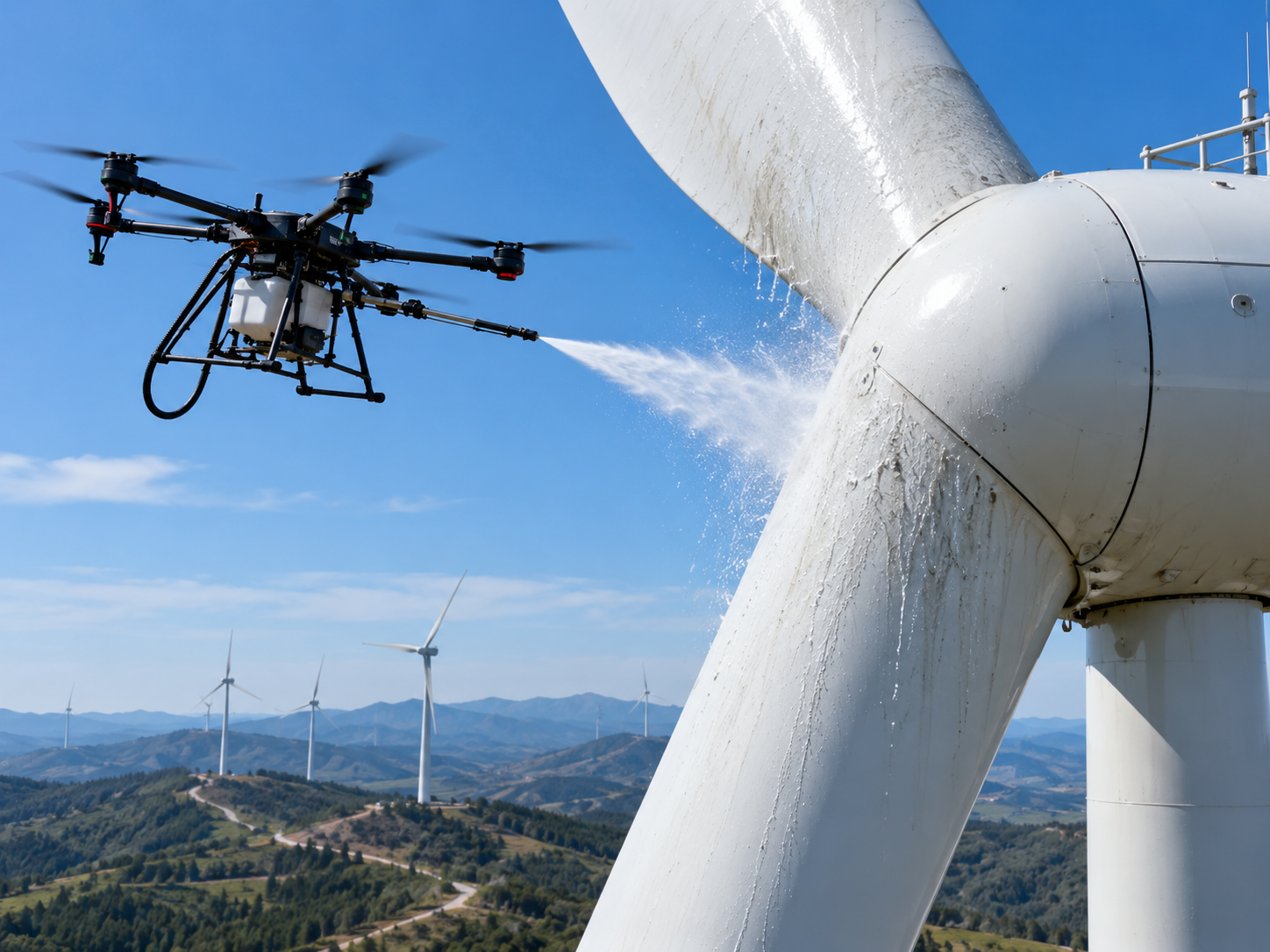
Cleaning strategies built around turbine geometry, exposure, and field conditions.
Plan around blade profile, tower height, weather exposure, site access, ground crew, and water-supply routing before defining the final UAV cleaning configuration.
A turbine changes the meaning of reach and coverage.
Wind turbines combine height, curved surfaces, exposed operating conditions, remote locations, and limited weather windows. These variables should shape the mission before equipment is selected.
-
01
Blade & tower geometry
Blade profile, tower height, curvature, and target position affect aircraft approach angle and spray reach.
-
02
Weather exposure
Wind and changing site conditions influence the practical operating window and aircraft stability.
-
03
Site logistics
Access roads, equipment placement, water source, operator position, and ground crew affect deployment.
-
04
Contamination & treatment area
Target contamination and the specific part of the turbine determine the required cleaning method and treatment sequence.
Six inputs shape a turbine-cleaning plan.
A useful configuration begins with the turbine model, target area, environment, and site logistics.
Turbine model
Basic turbine configuration helps establish tower height, blade geometry, and access requirements.
Blade, tower, or exterior zone
Define exactly which surfaces require treatment before planning the route and cleaning method.
Blade & tower geometry
Dimensions and surface profile influence working distance, spray reach, and aircraft movement.
Cleaning requirement
Different deposits may require different water behavior, pressure, treatment sequence, or cleaning media.
Operating window
Expected wind and weather conditions should be considered before planning deployment.
Ground logistics
Access roads, water source, ground space, equipment location, and crew position affect the complete workflow.
Turn a complex turbine into defined treatment zones.
Rather than treating the turbine as one continuous surface, a practical UAV cleaning plan breaks the asset into manageable zones and coordinates aircraft position, spray reach, weather conditions, and ground support.
Define the treatment zones
Separate blade sections, tower areas, or other target surfaces into workable cleaning zones.
Plan the approach angle
Match aircraft position and spray direction to the changing geometry of the turbine surface.
Match the operating window
Review expected weather exposure so the cleaning plan reflects practical field conditions.
Coordinate the supply route
Integrate hose movement, water delivery, ground-equipment position, and operator location with the flight plan.
Design the mission around the turbine, not around a generic cleaning kit.
A workable wind-turbine cleaning configuration should coordinate both the airborne cleaning equipment and the ground-side supply route.
UAV platform
The aircraft provides positioning and carries the cleaning assembly near the target surface.
Cleaning payload
Spray and cleaning hardware should be matched to target area, contamination, and required reach.
Tether & supply route
Water delivery and hose movement must be coordinated with aircraft path and working elevation.
Ground operation
Water source, equipment position, operator location, and access roads shape the field workflow.
Different turbine surfaces require different operating logic.
The actual cleaning method should be configured around the specific target area rather than treating the turbine as one uniform surface.
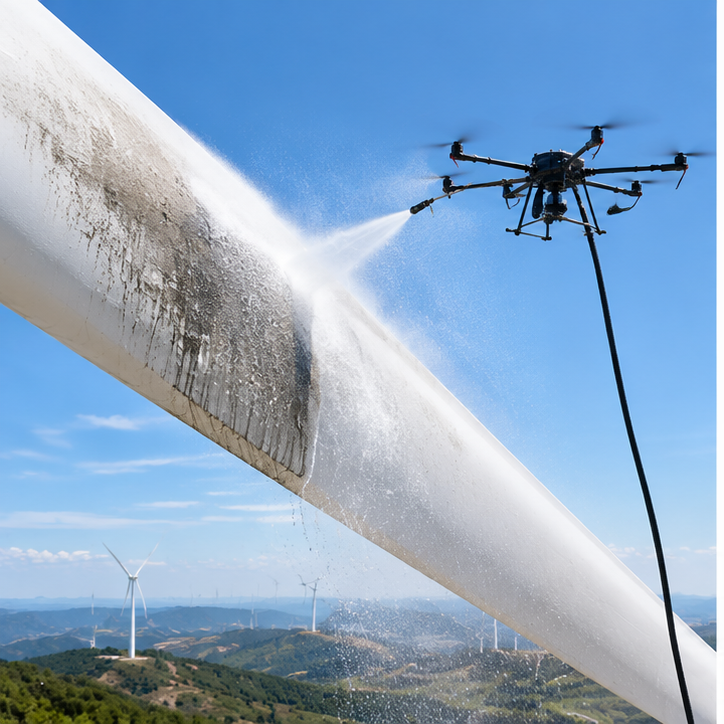
Blade cleaning
Targeted treatment of contamination across long, curved blade surfaces and defined cleaning zones.
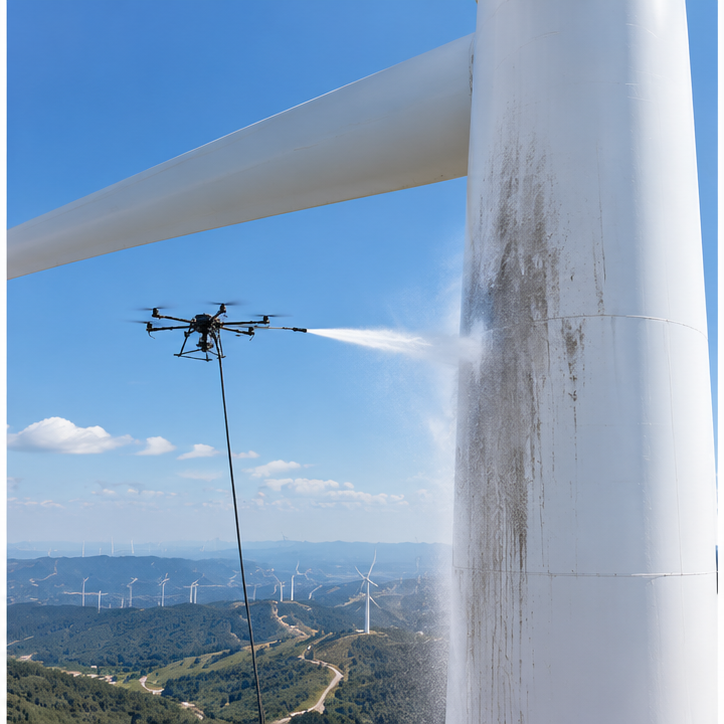
Tower surface maintenance
Remote cleaning where elevation and site exposure make conventional access more complex.
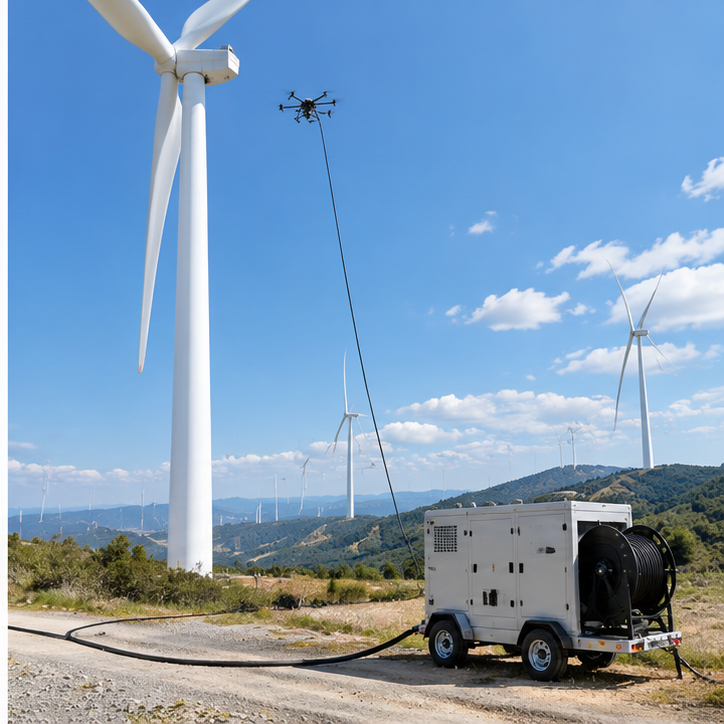
Field deployment
Mission planning around access roads, water availability, ground crew, equipment position, and weather window.
Core equipment for a complete UAV cleaning system.
Combine the aircraft platform, cleaning payload, and ground-side supply equipment according to the building, cleaning target, and operating environment.
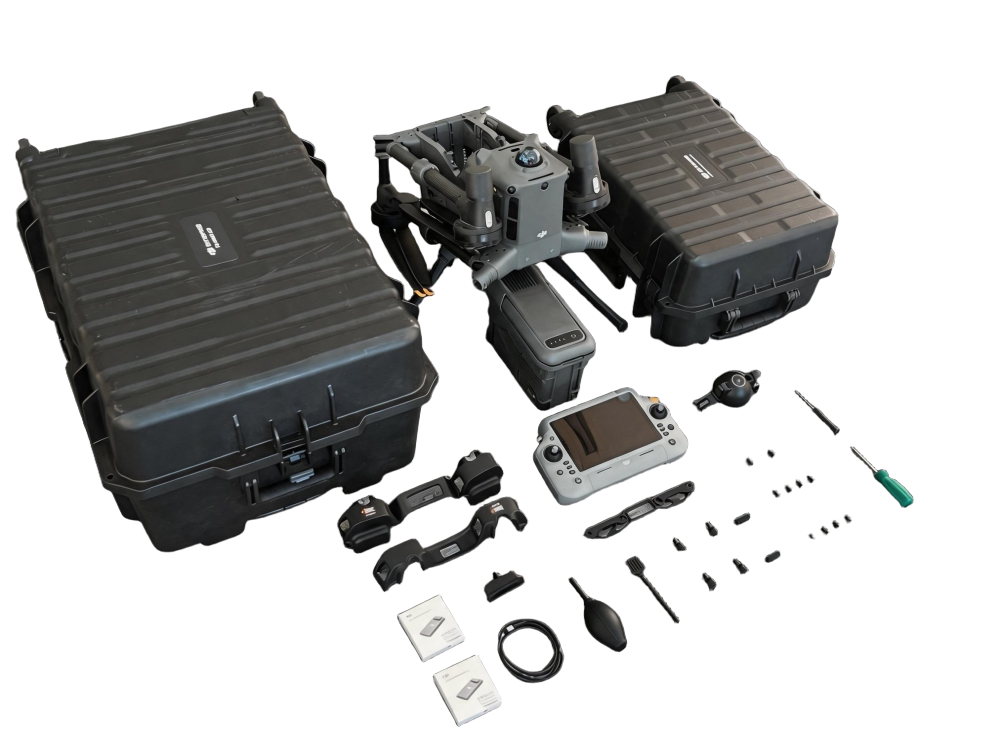
Industrial Application UAV
A configurable industrial UAV platform with up to 6 kg effective payload, RTK positioning, dual mounting capability, and environmental protection for demanding cleaning operations.
View Product ↗
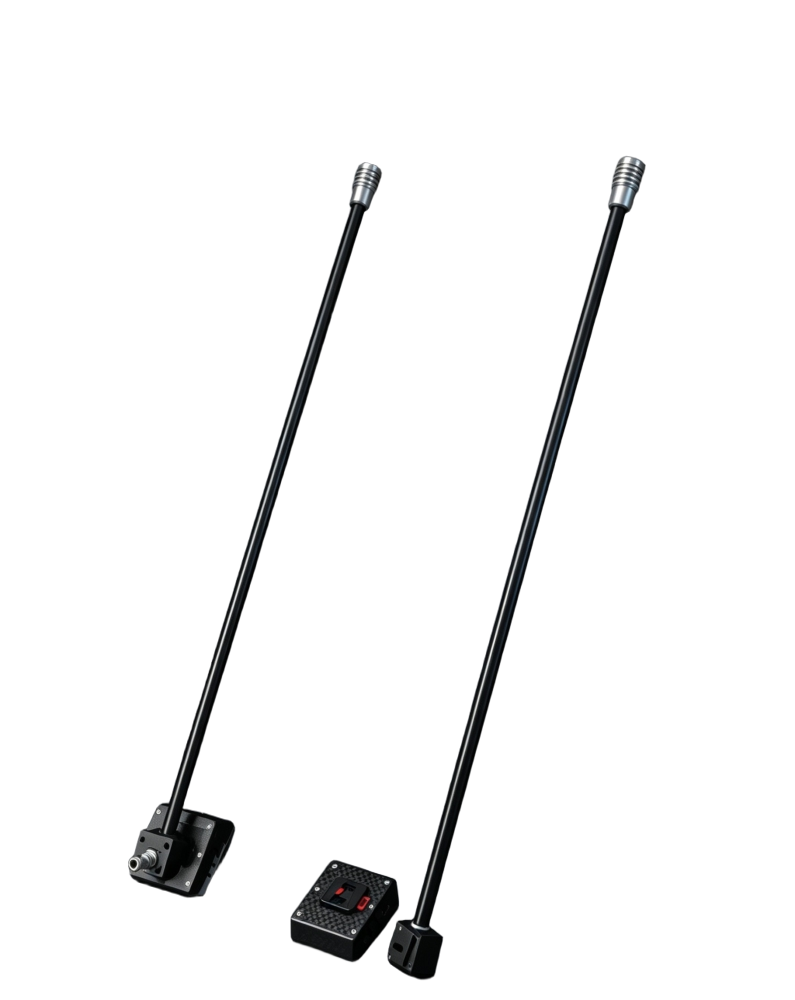
M400 Cleaning Mount / ZX-01
A lightweight fixed-angle spray boom designed for M400 cleaning applications, combining carbon-fibre construction, quick installation, and M14 quick-connect integration.
View Product ↗
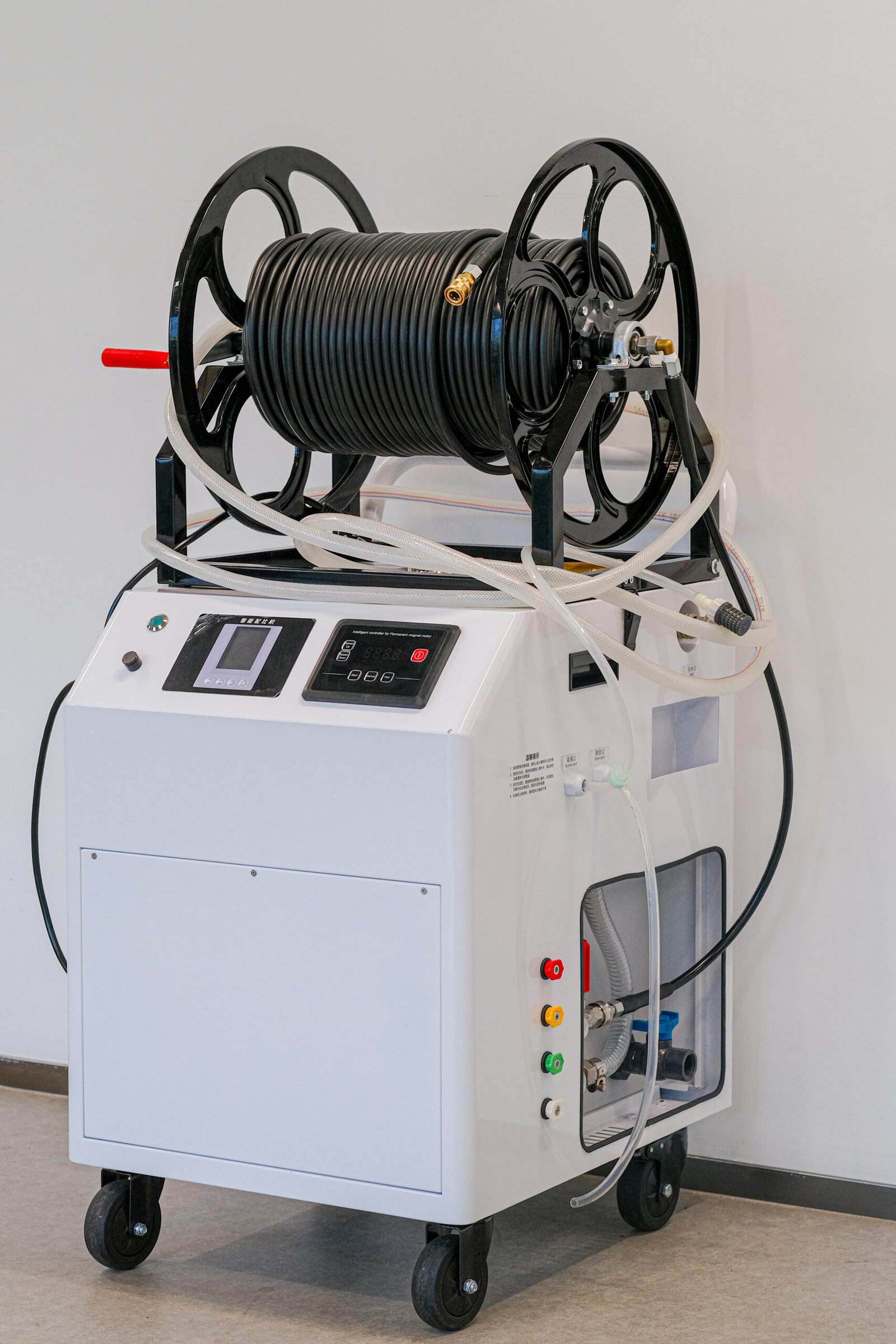
ZX003 Intelligent Proportioning Cleaning Unit
A mobile ground-side cleaning unit integrating water storage, automatic chemical proportioning, high-pressure cleaning control, and hose supply for UAV cleaning systems.
View Product ↗What should you send us?
You do not need a finished technical specification. These basic site details are enough to begin system matching.