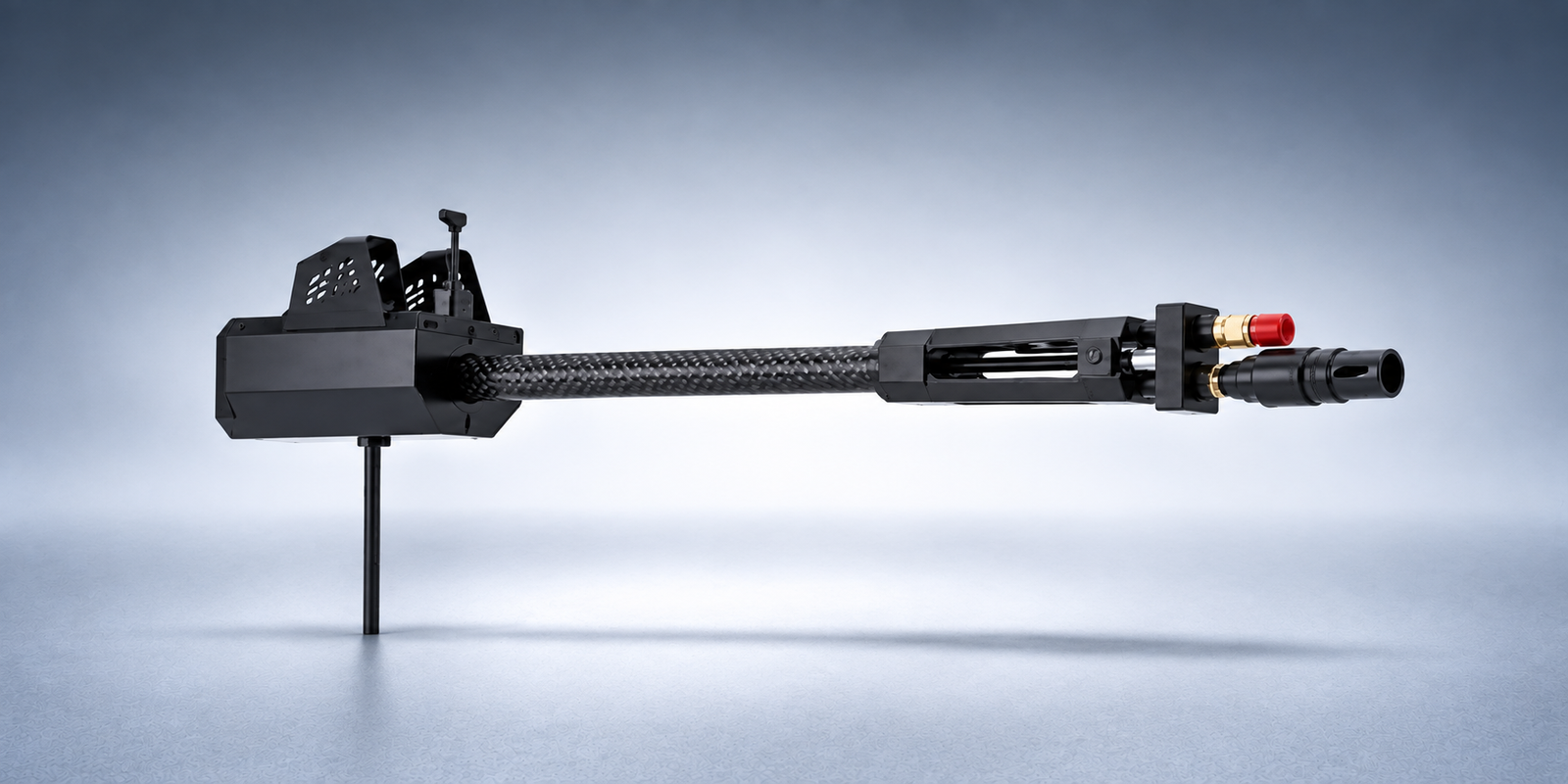
 01 / CLEANING
Aerial surface maintenance
UAV Cleaning Systems
Facade and photovoltaic cleaning equipment designed for controlled spray, stable positioning, and integration with continuous water supply.
Explore cleaning systems ↗Explore mission payloads, ground supply, tethered power, cleaning equipment, firefighting systems, and emergency-response technology configured to work with the selected aircraft.
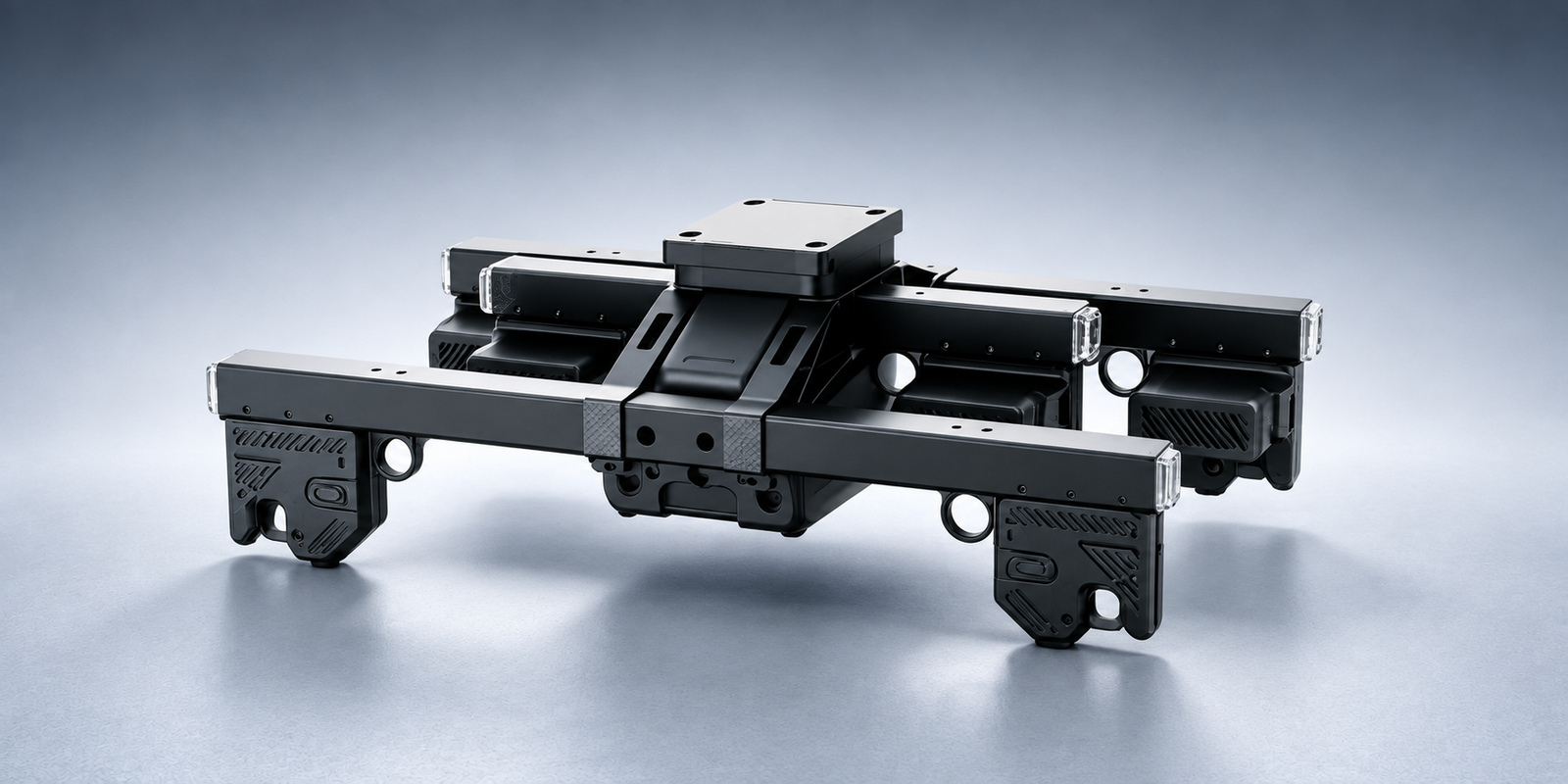 01 / CLEANING
Facade and photovoltaic cleaning equipment designed for controlled spray, stable positioning, and integration with continuous water supply.
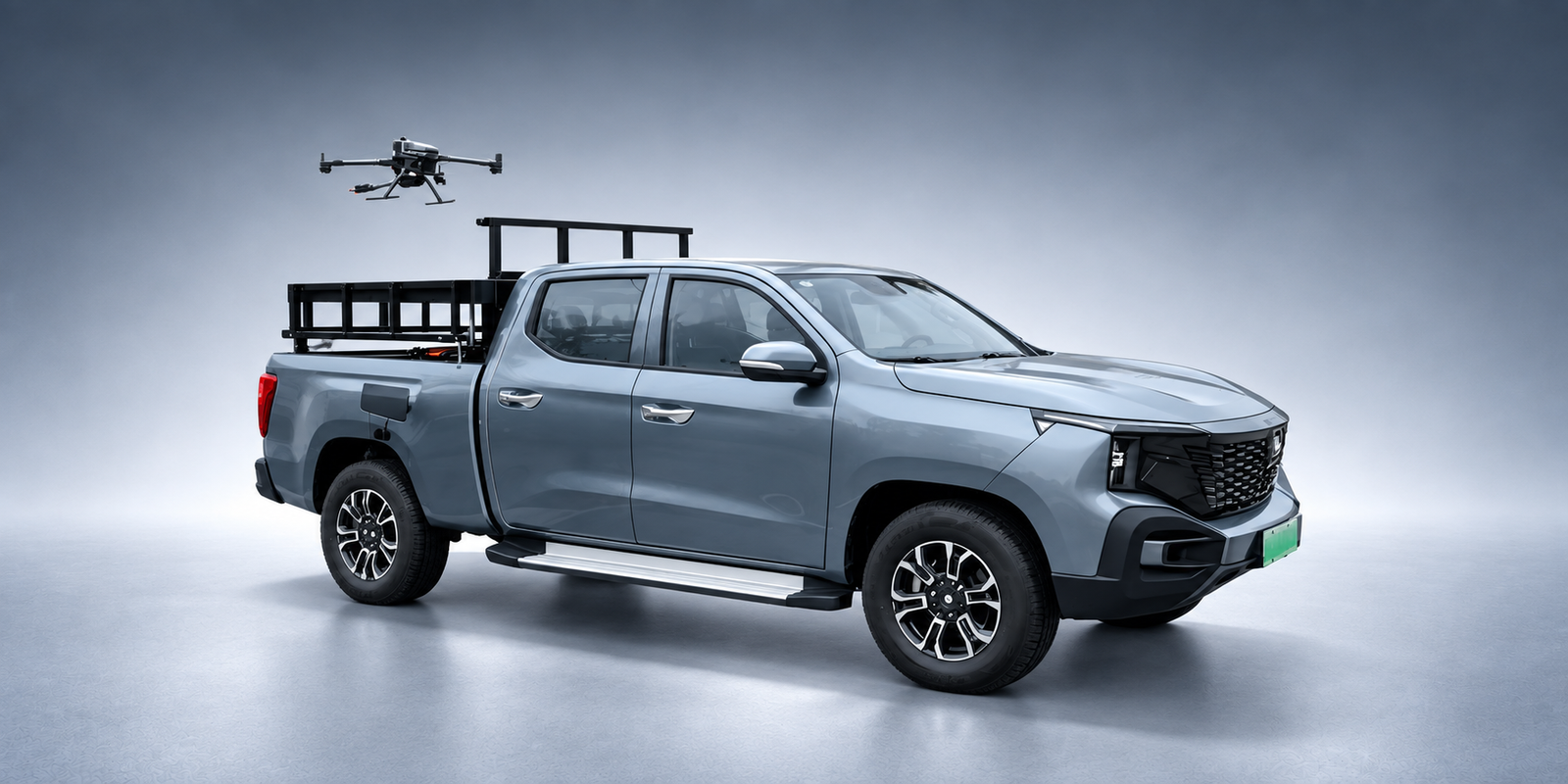
Explore cleaning systems ↗02 / GROUND SUPPLYVehicle-integrated and portable equipment for water, pressure, power, storage, and continuous mission support.
Explore ground supply ↗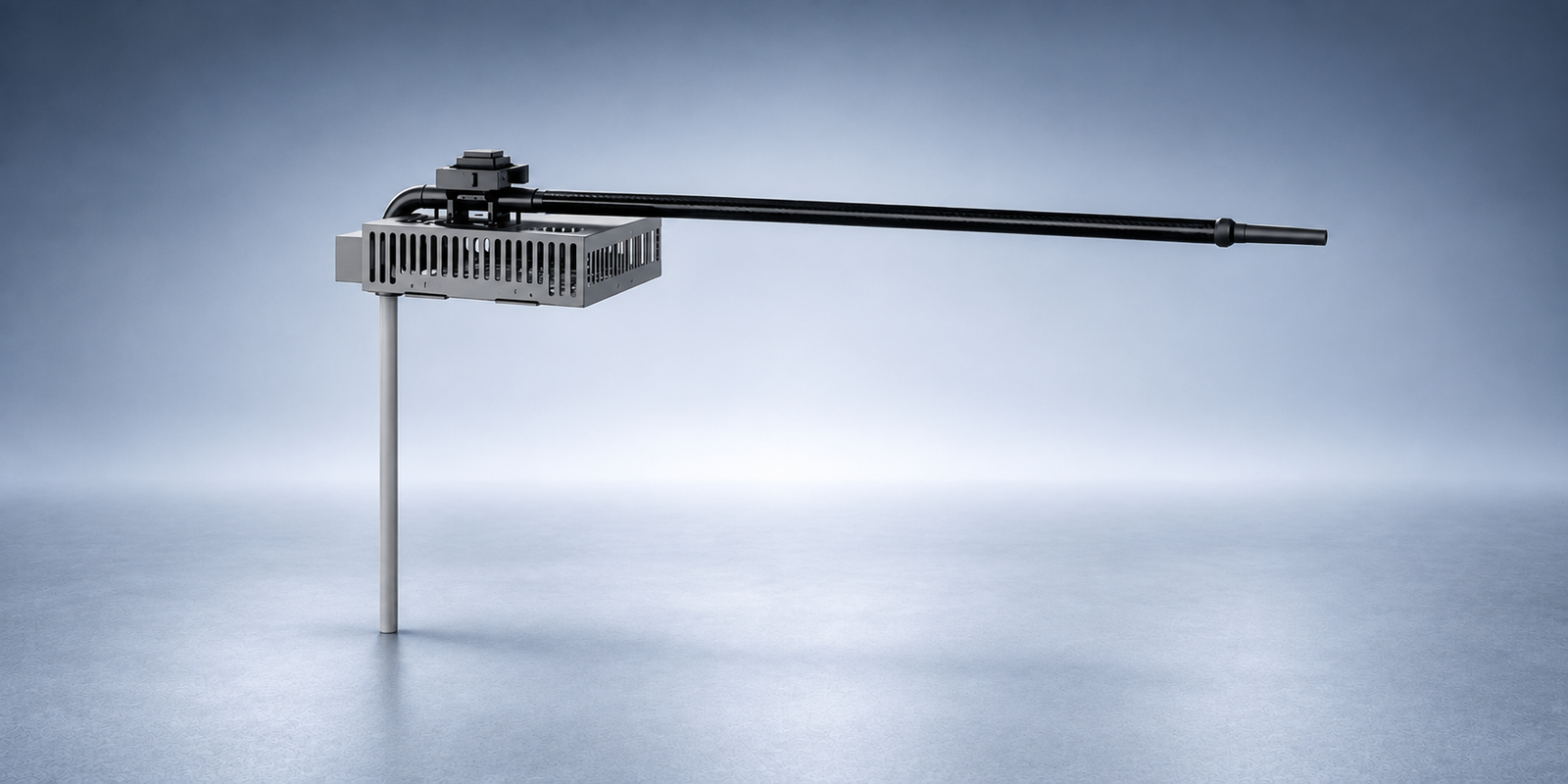 03 / SPRAY EQUIPMENT
Mission-specific spray assemblies for direction control, working distance, flow characteristics, and aircraft integration.
Explore spray equipment ↗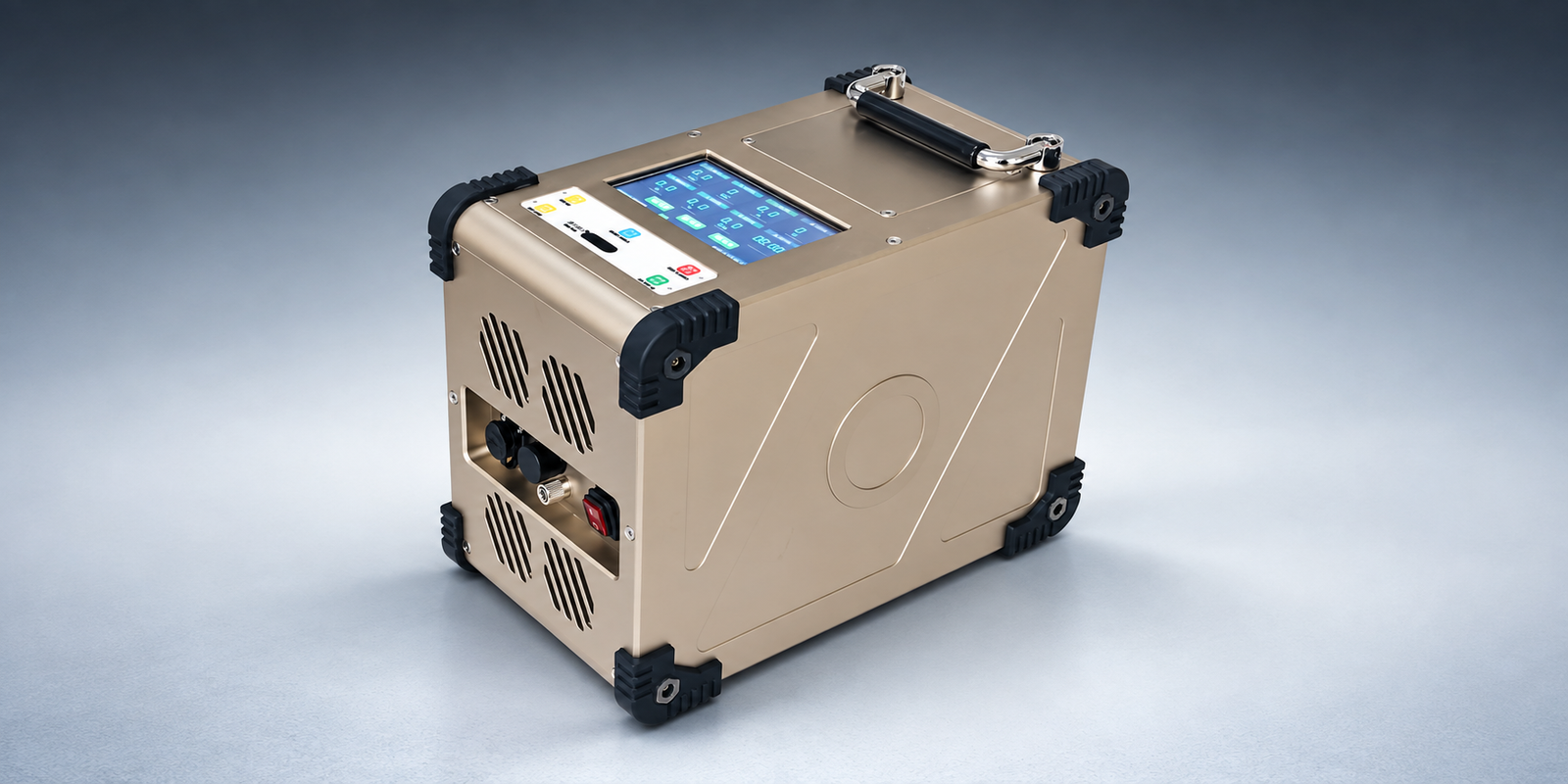 04 / TETHERED SYSTEMS
Ground and airborne power, tether management, and continuous-supply equipment for long-duration UAV missions.
Explore tethered systems ↗05 / FIREFIGHTINGWater guns, deployment systems, buckets, and dry-powder payloads configured around the fire scenario and aircraft.
Explore firefighting payloads ↗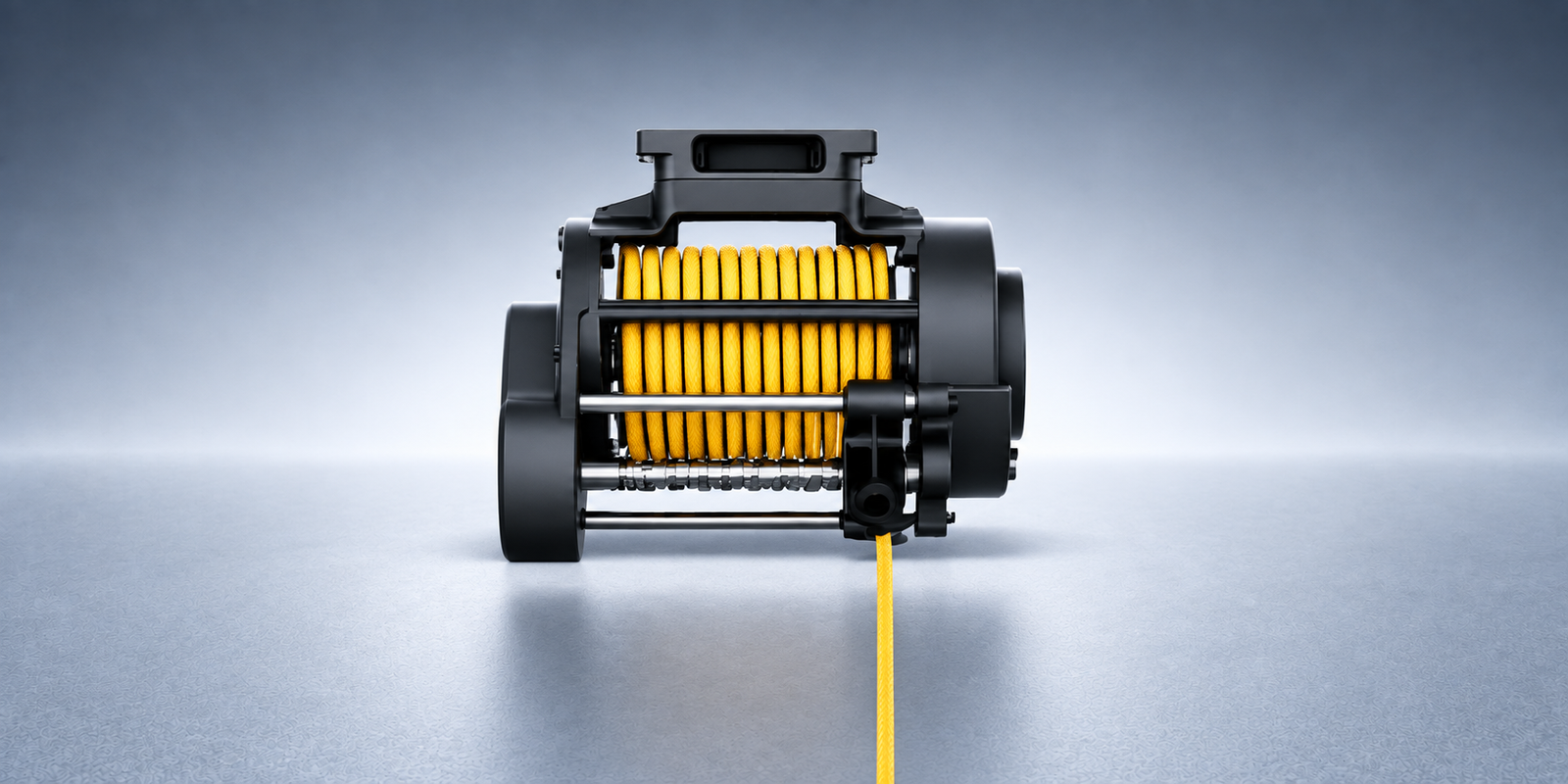 06 / EMERGENCY RESPONSE
Rappelling, delivery, public-address, and multi-function payloads for rescue, logistics, monitoring, and public safety.
Explore response payloads ↗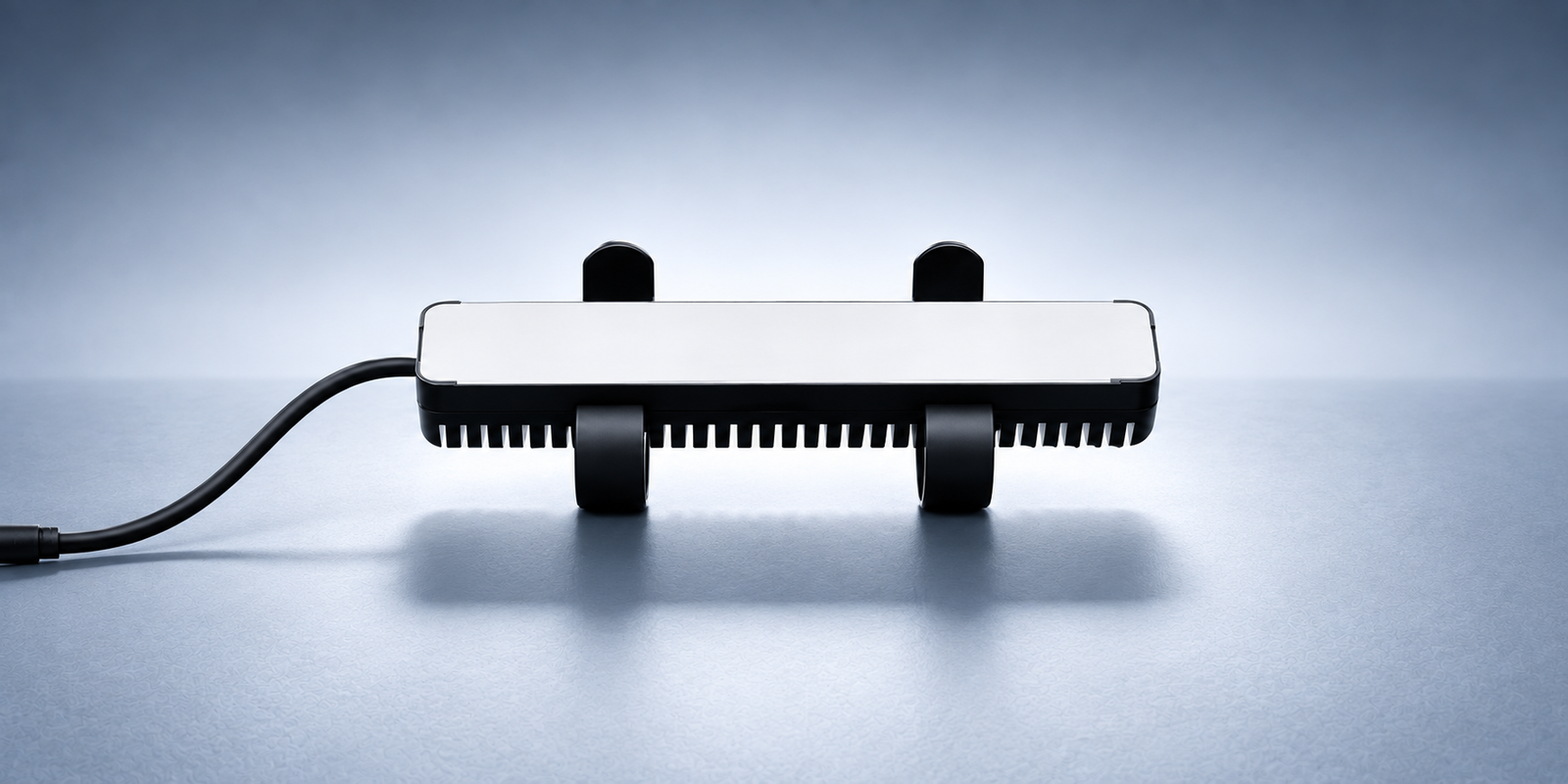 07 / LIGHTING & COMMUNICATION
Floodlights, searchlights, public-address equipment, and integrated systems for night operations, scene illumination, search, monitoring, and field coordination.
Explore lighting & communication ↗